Security, Comfort, and Self-respect: How to Choose the Best Elderly Care Home
@paxtonqikt669
November 26, 2026 · 20 min read
Business Name: BeeHive Homes of Taylor Ranch
Address: 6004 Whiteman Dr NW, Albuquerque, NM 87120
Phone: (505) 302-1919
BeeHive Homes of Taylor Ranch
At BeeHive Homes of Taylor Ranch, New Mexico, we offer the finest assisted living experience available in a cozy, comfortable homelike setting. Each of our residents has their own spacious room with an ADA approved bathroom and shower. We prepare and serve delicious home-cooked meals three times a day every day. We maintain a small, friendly elderly care community. We provide regular activities that our residents find fun and contribute to their health and well-being. Our staff is attentive and caring and provides assistance with daily activities to our senior living residents in a loving and respectful manner. We would like to invite you to tour and experience our assisted living home and feel the difference.
6004 Whiteman Dr NW, Albuquerque, NM 87120
Business Hours
Choosing an elderly care home is one of those decisions that keeps individuals awake at night. You are weighing security against independence, medical needs versus emotional needs, and financial resources against perfects. It is not a spreadsheet problem, it is a human one. I have sat at cooking area tables with households in tears since they waited too long to plan, and I have actually seen the relief in a boy's shoulders when he realizes his mother is finally someplace safe, respected, and understood.
Good senior care is not almost tidy floorings and arranged meals. It is about preserving a person's story, their choices, their quirks, and their self-respect, even as they require increasing assist with daily life. The "best" elderly care home is rarely the flashiest building or the one with the thickest pamphlet. It is the one that fits your relative's needs, personality, and values, in addition to your family's limits.
This guide strolls through how to think about that choice in a grounded, practical way.
Start with a clear picture of requirements, not buildings
People often begin by touring assisted living facilities or nursing homes and responding to what they see. That is reasonable, however backwards. The first step is to be brutally truthful about what your family member requires, now and in the near future.
I generally suggest three lenses.
The initially is daily performance. Can they shower and dress by themselves? Handle toileting dependably? Prepare meals safely? Handle their medications properly? A person who needs assistance connecting shoes is in a different scenario than somebody who forgets to switch off the stove.
The second is medical intricacy. Do they have conditions like heart failure, COPD, diabetes with frequent hypoglycemia, or advanced Parkinson's? Do they need set up injections, oxygen, tube feeding, or wound care? Assisted living neighborhoods can handle some health needs, however complicated treatment often points towards a greater level of support.
The 3rd is cognitive and psychological status. Moderate memory lapses are one thing. Wandering, hazardous judgment, personality modifications, or aggression recommend possible dementia and the need for staff trained in memory care. Stress and anxiety, anxiety, or sorrow can likewise shape what environment will feel safe and tolerable.
Write these realities down in plain language, including the tough parts. Families sometimes sugarcoat since the truth injures, however a precise photo avoids poor positioning and repeat moves later, which are harder on everybody, especially the older adult.
Understanding the main kinds of elderly care
Once you understand the needs, you can take a look at care settings with clearer eyes. Terms varies by country and area, but broadly speaking, elderly care choices for those who no longer thrive alone tend to fall under a couple of categories.
Assisted living is generally a great suitable for individuals who are primarily independent however need assist with tasks such as bathing, dressing, medication reminders, or house cleaning. Citizens have personal or semi-private apartment or condos, communal dining, and structured activities. Treatment is present to a minimal degree, frequently by means of checking out nurses or contracted companies, however continuous clinical tracking is not the focus.
Nursing homes, or knowledgeable nursing centers, are created for people who need ongoing medical guidance and hands-on care. This may include locals recovering from strokes, those with late-stage chronic disease, or people who are bed-bound or really frail. Personnel include registered nurses, therapists, and aides around the clock. The environment feels more scientific and managed, which is appropriate for the level of threat, however can be a change for families expecting a homelike atmosphere.
Memory care systems concentrate on dementia and related cognitive disorders. They might exist within assisted living, within nursing homes, or as stand-alone communities. These systems normally include safe doors to avoid hazardous wandering, simplified designs, and personnel trained in dementia communication and habits management. Activities are structured to preserve staying abilities, not test deficits.
Respite care is short-term senior care, often two days to a number of weeks, in a residential setting. It offers household caretakers relief from full-time duty, or offers a safe location for an older grownup while a primary caretaker is hospitalized, journeys, or simply needs to reset. Respite can happen in assisted living, nursing homes, or devoted respite programs.
There are also continuing care retirement home, or CCRCs, which integrate independent living, assisted living, and nursing care on one school. Homeowners can move between levels of care as their needs alter. These communities typically need substantial entry fees and comprehensive agreements, and they appeal to those who want to "age in place" within a single system.
The right category is not just about existing needs. If someone's health is decreasing or dementia is progressing, a setting that can accommodate the next level of care without a disruptive relocation is typically worth a premium.
Balancing security with autonomy and dignity
Families often lean hard in one direction: either "lock whatever down so nothing bad can occur" or "I never desire them to seem like a client." The art depends on the middle.
Safety is non-negotiable. If an individual is at high threat of falling, roaming into traffic, mishandling medications, or beginning kitchen area fires, an independent apartment or condo with minimal oversight might be too risky, no matter how attached they are to the concept. I typically state that a hazardous "flexibility" that results in a hip fracture or a house fire is not freedom in any meaningful sense.
At the very same time, overprotecting can strip away self-respect. I as soon as dealt with a resident, a retired carpenter, who was unpleasant in a highly institutional nursing home. He did not require that level of medical care yet, but his adult kids were terrified of falls after a minor event at home. Moving him to a smaller assisted living neighborhood, where he could still tinker in a monitored workshop and stroll the garden with personnel close by, transformed his state of mind. His fall risk was managed, not eliminated, and he seemed like himself again.
When you tour a facility, see how personnel relate to locals. Do they resolve individuals by name, at eye level, with persistence? Or do they talk over them, rush them, or refer to "feeds" and "diapers" within earshot? Considerate language and unhurried attention signal a culture that values dignity as much as efficiency.
Autonomy can also be supported in small, useful methods. Try to find versatility in schedules, not simply a stiff "lights out at 8 p.m." routine. Ask if residents can personalize their spaces, pick what to eat from more than one alternative, and participate in or skip activities without pressure. The more an individual can still make meaningful choices, the better their quality of life, even within the structure of assisted living or a nursing home.
What to try to find on a visit (beyond the pamphlets)
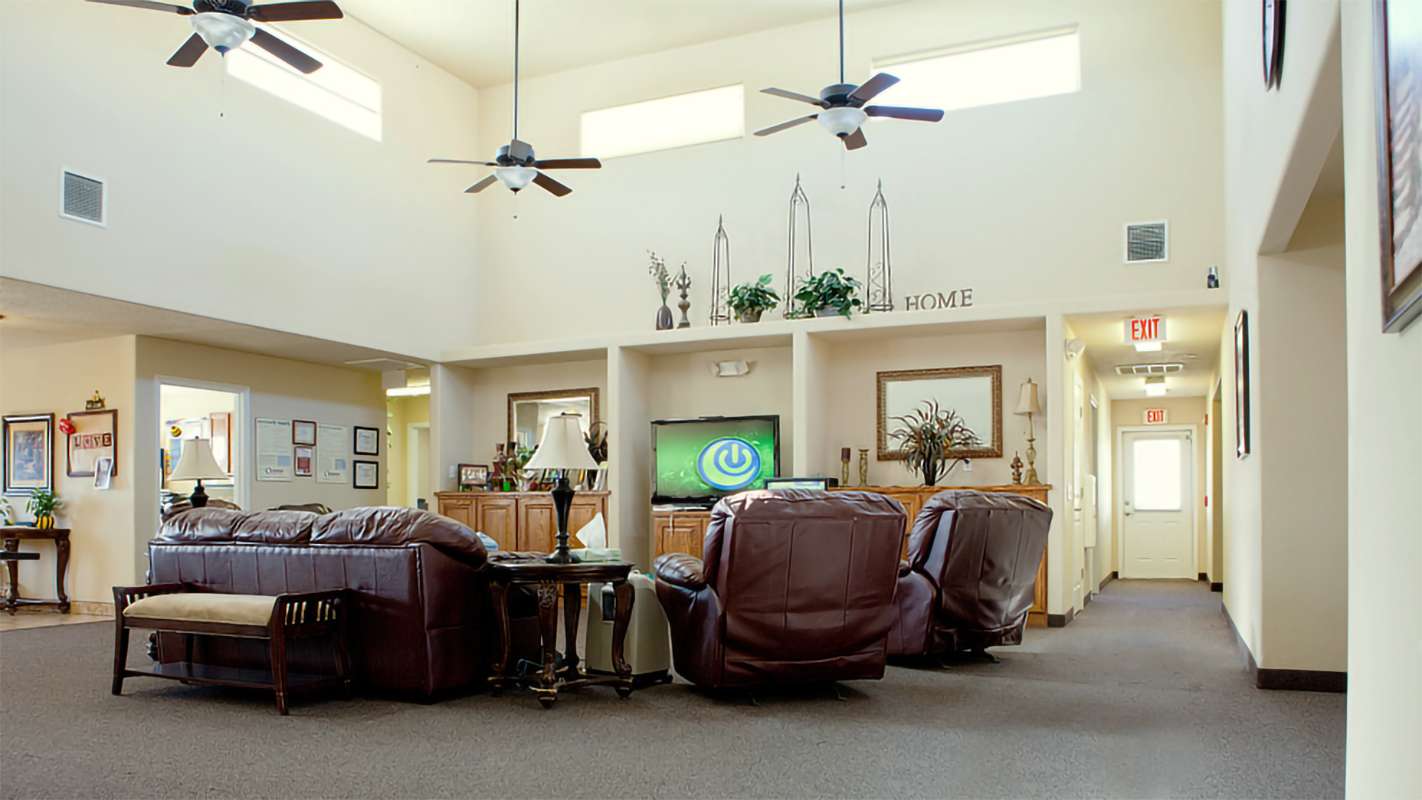
Most households visit numerous neighborhoods before choosing. The impression matters, but beware about being swayed by chandeliers and manicured yards alone. Tidiness and looks count, however they are the simple part to stage.
The real info emerges in the information. Notice the odor when you stroll in. assisted living near me A faint cleaning item fragrance is typical in care settings. Persistent odors of urine or feces suggest chronically insufficient staffing, poor continence support, or neglected housekeeping.
Listen for the general sound level. A continuous chorus of unanswered call bells, yelling, or chaotic overhead pages signals stress on personnel and citizens alike. A quiet environment is not automatically excellent either; total silence often implies locals are isolated in spaces with little engagement.
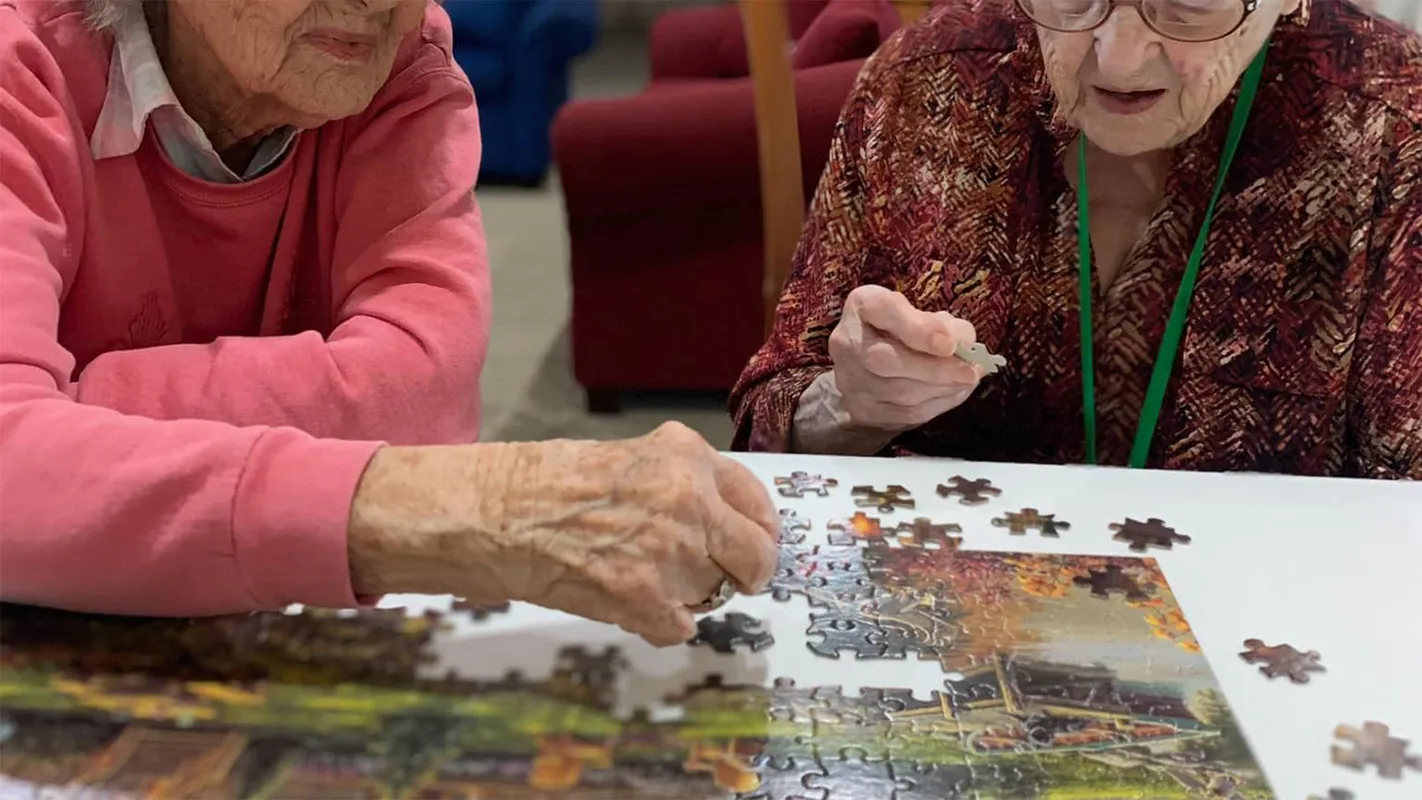
Observe homeowners' affect. Do the majority of people look groomed, worn regular clothing, and engaged with something, even if it is the television or a puzzle? Or do you see many in wheelchairs parked along hallways, dropped over, or calling out without action? You can find out more in ten minutes of casual observation than in an hour of marketing talk.
Do not be shy about asking direct questions. "What is your staff-to-resident ratio on nights and weekends?" "How do you deal with behavioral changes in dementia?" "The number of homeowners are sent to the medical facility monthly?" "What is your turnover rate for caregivers?" You will not get ideal answers, but the transparency and specifics matter. Evasive actions or "we can't share that" to every question are cautioning signs.
I encourage households to visit twice if possible, at various times of day. Mornings show how personal care, medications, and breakfast are handled. Late afternoons or evenings can reveal whether homeowners get restless and how personnel deal with "sundowning" habits in those with dementia.
A brief checklist of non‑negotiables
When emotions run high, it helps to anchor yourself in a couple of clear must‑haves. For many households selecting an elderly care home, the following items, at minimum, are worthy of that status:
- Documented policies for falls, medication management, and emergency transfers, including how and when households are notified
- Staff trained particularly in dementia, if your relative has actually or is presumed to have cognitive impairment
- Clear, composed prices that differentiates base costs from add‑ons, with practical projections for most likely increases
- A way for homeowners to voice concerns or problems without retaliation, and a path for families to escalate issues
- Licensure in great standing with the appropriate regulative body, with recent assessment reports readily available for evaluation
Treat these as limits. If a facility can not please you on these points, great decor or a friendly salesperson should not compensate for that gap.
Staffing: the covert engine of quality
The finest structure in the world can not compensate for inadequate staffing. On the other hand, I have seen modest older structures where staff understood every resident's history, choices, and medical quirks, and outcomes were excellent.
Ask about staffing ratios, but do not stop there. Ratios on paper can be misguiding if the group is continuously churning. High turnover often causes irregular care, more mistakes with medications, and residents feeling nervous due to the fact that "everybody is new all the time."
In excellent senior care programs, nursing assistants or care aides usually understand residents best. They notice when somebody is "off" before important signs show an issue. Enjoy how they move through the space. Are they strolling quickly however calmly, or appearing panicked, rushed, or inflamed? Do they respond to call lights quickly or seem overwhelmed?
Staff training is equally crucial. For assisted living or memory care, training in dementia interaction strategies, safe transfers, and de‑escalation of agitation is critical. Ask how frequently personnel get ongoing education. A one‑time orientation from 5 years back is not enough.
A subtle indication of a strong culture is how management speak about caregivers. If management speaks with regard, acknowledges the trouble of the work, and can describe concrete efforts to support staff, that frequently associates with much better care.
Activities, community, and the danger of quiet loneliness
Families often prioritize spa‑style facilities over day‑to‑day stimulation. A saltwater swimming pool or theater looks remarkable, yet the genuine factor of life quality is whether your relative will feel part of a community.
Look beyond the printed activity calendar. Anyone can put "art therapy" on a schedule. Ask to visit during an activity hour. Are citizens truly participating, or are 2 individuals engaged while everybody else gazes blankly? Are activities adjusted for various cognitive and physical abilities?
Variety matters. Some people prosper on group occasions, others choose one‑on‑one interactions. Strong programs blend workout, imaginative pursuits, gatherings, and peaceful, personalized offerings. For someone with memory disability, even a 15‑minute small group concentrated on music or reminiscence can be more significant than a big, hectic gathering.
Also think about the cultural and spiritual requirements of your family member. Does the community offer services or assistance that aligns with their faith or worldview? Are there personnel or homeowners who share a language or cultural background that may make your relative feel less like a stranger?
Loneliness can be profound in senior care neighborhoods that look dynamic from the exterior. A resident can be physically surrounded by others and still feel unnoticeable if staff are too rushed to talk, or if activities are not customized. Ask how the team notifications when somebody withdraws, and what they do about it.
Food, nutrition, and the function of pleasure
Meals structure the day and typically offer the main social touchpoints in elderly care. Poor food can sour the entire experience, even if the remainder of the care is adequate.

Insist on tasting a meal yourself. Pay attention to both flavor and presentation. Food in nursing homes should meet regulatory nutrition standards, but that does not require it to be boring or unappetizing. In assisted living, there is frequently more flexibility in menu style, however quality varies dramatically.
Ask how special diet plans are handled. For locals with diabetes, kidney illness, or swallowing troubles, the right balance of security and pleasure is important. Extremely limiting diet plans can cause weight loss and depression, especially if imposed rigidly on somebody who is nearing the end of life. A great care group will discuss objectives and trade‑offs with you and your relative, not simply follow a default template.
Flexibility around mealtimes and treats also signifies respect for private choices. Someone who has actually consumed a late breakfast their whole life might fight with a rigorous 7 a.m. Meal. Within factor, communities that allow some choice in timing typically see much better intake and fewer behavioral issues.
Money, contracts, and sensible planning
Finances are frequently the elephant in the room. High quality elderly care is costly, whether it is assisted living, memory care, or nursing care. Ignoring the monetary piece leads to crises when cash runs out.
Be candid about your budget, not simply for this year, however for a likely duration of requirement. Lots of homeowners live in care homes for three to 7 years, sometimes longer. Consider yearly rate increases, which can vary from 3% to 8% or more depending on inflation, staffing costs, and regulative changes.
Read contracts gradually and, if possible, with another set of eyes. Take note of how and when charges change. Some assisted living facilities use a "level of care" system, where greater requirements activate greater month-to-month charges. Others operate more a la carte, billing independently for aid with bathing, medication administration, or incontinence care. Ask for a practical cost estimate based on your relative's existing condition, not simply the base rate.
Understand what takes place if your relative's money runs low. Does the facility accept public financing or insurance coverage programs after a private pay duration? Exist waitlists for those subsidized areas? I have actually seen families required to move a frail parent from a beloved home since they did not plan for this transition.
Clarify policies on refunds, deposits, and notification durations if you decide to leave. Also ask what happens if your relative is hospitalized for an extended time. Will you still be billed the complete monthly rate to hold the room?
It deserves consulting with a financial coordinator or elder law lawyer, specifically if there are numerous brother or sisters, complicated possessions, or a need to navigate public benefit programs. Clearness now avoids conflict later.
When respite care ends up being a testing ground
Respite care is frequently framed as simply a break for the family caretaker, which it definitely is. However it can also work as a low‑risk trial for a prospective long‑term placement.
If you are unsure how your relative will tolerate a communal living environment, a week or two of respite in an assisted living or nursing home can give you important info. You see how staff in fact run when marketing staff are not hovering, and your family member experiences the rhythm of the place.
When arranging respite, treat it as seriously as permanent positioning. Ask the exact same concerns about personnel ratios, medical coverage, and activities. Provide in-depth background on your relative's regimens, likes, and dislikes. An excellent senior care team will utilize that info to smooth the adjustment rather than treating respite citizens as transient "extras."
Watch how your relative appearances and behaves throughout and after the stay. Did they eat better? Seem calmer or more distressed? Point out any personnel by name, favorably or adversely? Their feedback, even if filtered through dementia or health problem, provides hints about fit.
Families, interaction, and shared expectations
Even in the very best elderly care home, there will be imperfect days. A missed shower, a lost sweater, or a hold-up in responding to a call bell will occur occasionally. The real test is how the center reacts when things go wrong.
Before moving in, clarify communication channels. Who is your bottom line of contact for medical updates? For billing questions? For everyday concerns? Make certain the names and roles are documented. Ask how typically care strategy meetings take place and whether you can go to by phone or video if you live far away.
Establish a tone of considerate partnership from the start. Share what works and what does not with your relative, not as commands, but as valuable context. Invite personnel to tell you what they are noticing too. In my experience, small, early conversations about issues avoid bigger blow‑ups later.
Families sometimes struggle with guilt, which can spill into interactions with staff. It is natural to feel conflicted, specifically if your relative did not wish to leave home. Bear in mind that your role has actually moved from hands‑on caretaker to promote and emotional anchor. Accepting aid from a strong elderly care group is not abandonment, it is a different sort of loving care.
Pulling all of it together: matching individual, place, and timing
There is no ideal elderly care home. There are places that are safe enough, caring enough, and aligned enough with your relative's requirements and character that life can still hold delight, purpose, and dignity.
When choosing among options, it typically assists to list your leading 2 or three concerns, then see which center matches most carefully. For some households, distance is vital, since regular visits matter more than amenities. For others, specialized memory care or a robust rehab program outweighs distance.
If you are deciding between assisted living and a greater level of care, ask yourself not simply "Can they handle here now?" however "Is this most likely to still be appropriate twelve to twenty‑four months from now?" A somewhat greater level of support that prevents repeated moves might be kinder overall.
Above all, bear in mind that this is a procedure, not a single permanent decision. Individuals move, care plans alter, and centers develop. Staying engaged, checking out frequently, and keeping open interaction with the care team will matter simply as much as where you sign the admission papers.
An excellent elderly care home, whether focused on assisted living, complete nursing care, or a specialized memory or respite care program, becomes an extension of your household's capacity to like and secure an older relative. The time you purchase selecting thoroughly is an act of respect for their history, and a useful safeguard for their future.
BeeHive Homes of Taylor Ranch provides assisted living care
BeeHive Homes of Taylor Ranch provides memory care services
BeeHive Homes of Taylor Ranch provides respite care services
BeeHive Homes of Taylor Ranch supports assistance with bathing and grooming
BeeHive Homes of Taylor Ranch offers private bedrooms with private bathrooms
BeeHive Homes of Taylor Ranch provides medication monitoring and documentation
BeeHive Homes of Taylor Ranch serves dietitian-approved meals
BeeHive Homes of Taylor Ranch provides housekeeping services
BeeHive Homes of Taylor Ranch provides laundry services
BeeHive Homes of Taylor Ranch offers community dining and social engagement activities
BeeHive Homes of Taylor Ranch features life enrichment activities
BeeHive Homes of Taylor Ranch supports personal care assistance during meals and daily routines
BeeHive Homes of Taylor Ranch promotes frequent physical and mental exercise opportunities
BeeHive Homes of Taylor Ranch provides a home-like residential environment
BeeHive Homes of Taylor Ranch creates customized care plans as residents’ needs change
BeeHive Homes of Taylor Ranch assesses individual resident care needs
BeeHive Homes of Taylor Ranch accepts private pay and long-term care insurance
BeeHive Homes of Taylor Ranch assists qualified veterans with Aid and Attendance benefits
BeeHive Homes of Taylor Ranch encourages meaningful resident-to-staff relationships
BeeHive Homes of Taylor Ranch delivers compassionate, attentive senior care focused on dignity and comfort
BeeHive Homes of Taylor Ranch has a phone number of (505) 302-1919
BeeHive Homes of Taylor Ranch has an address of 6004 Whiteman Dr NW, Albuquerque, NM 87120
BeeHive Homes of Taylor Ranch has a website https://beehivehomes.com/locations/taylor-ranch/
BeeHive Homes of Taylor Ranch has Google Maps listing https://maps.app.goo.gl/VjePfgdypFLUTXAZ6
BeeHive Homes of Taylor Ranch has Instagram page https://www.instagram.com/beehivealbuquerquewest
BeeHive Homes of Taylor Ranch has an TikTok page https://www.tiktok.com/@beehivehomesalbuq
BeeHive Homes of Taylor Ranch has an YouTube page https://www.youtube.com/@hamiltonshives4468
BeeHive Homes of Taylor Ranch won Top Assisted Living Homes 2025
BeeHive Homes of Taylor Ranch earned Best Customer Service Award 2024
BeeHive Homes of Taylor Ranch placed 1st for Senior Living Communities 2025
People Also Ask about BeeHive Homes of Taylor Ranch
What is BeeHive Homes of Taylor Ranch Living monthly room rate?
Our base rate is $6,900 per month. We do an assessment of each resident's needs prior to move-in, so each resident's rate may be slightly higher. However, there are no "a la carte" charges or hidden fees. We do charge a one-time community move-in fee of $2,000
Does Medicare or Medicaid pay for a stay at Bee Hive Homes?
Medicare pays for hospital and nursing home stays, but does not pay for assisted living as a covered benefit. Some assisted living facilities are Medicaid providers, but we are not. We accept private pay, long-term care insurance, and we can assist qualified Veterans with approval for the Aid and Attendance program
Do we have a nurse on staff?
We do have a nurse on contract who is available as a resource to our staff but our residents' needs do not require a nurse on-site. We always have trained caregivers in the home and awake around the clock
What can you tell me about the food at Bee Hive?
You have to smell it and taste it to believe it! We use dietitian-approved menus with alternates for flexibility, and we can accommodate needs for different textures and therapeutic diets. We have found that most physicians are happy to relax diet restrictions without any negative effect on our residents
Do we allow pets?
We do allow small pets as long as the resident is able to care for them. State regulations also require that we have evidence of current immunizations for any required shots
Where is BeeHive Homes of Taylor Ranch located?
BeeHive Homes of Taylor Ranch is conveniently located at 6004 Whiteman Dr NW, Albuquerque, NM 87120. You can easily find directions on Google Maps or call at (505) 302-1919 Monday thru Sunday: 10:00am to 7:00pm
How can I contact BeeHive Homes of Taylor Ranch?
You can contact BeeHive Homes of Taylor Ranch by phone at: (505) 302-1919, visit their website at https://beehivehomes.com/locations/taylor-ranch/ or connect on social media via Instagram Facebook or TikTok
You might take a short drive to the New Mexico Museum of Natural History and Science. The New Mexico Museum of Natural History and Science offers educational exhibits and multigenerational experiences for families connected with Assisted living memory care senior care elderly care and respite care.